Table of Contents | Click to collapse or expand
The heart problems that different breeds are more prone to are not the same; breed risk does not equal certainty of disease.
Does a dog still eating and walking mean there is no heart problem?
[3][5][6]
Owners can start by recording breathing during sleep, performance on walks, and whether fainting has occurred.
Which dog breeds are more prone to pet heart disease?
The heart problems more commonly seen in large dogs and small dogs are not necessarily the same.
[5]
Breeds requiring more attention and their common problems [Sources 3, 5, 6]
Breed
Key points to note
Doberman Pinscher
There may be no symptoms early on; do not rely on appetite alone.
Great Dane
Record breathing, activity, and episodes of sudden weakness.
Irish Wolfhound, Scottish Deerhound, Newfoundland, etc.
Do not attribute obvious fatigue solely to age or body size.
Boxer
Fainting or weakness warrants a veterinary visit even if recovery occurs.
Cavalier King Charles Spaniel
The absence of coughing does not mean the heart is normal.
Chihuahua, Dachshund, Toy or Miniature Poodle, etc.
Watch for coughing, increased respiratory rate, and changes in walking performance.
The table is not a list of "will definitely develop disease."
[6]
What issues should be noted for different breeds?
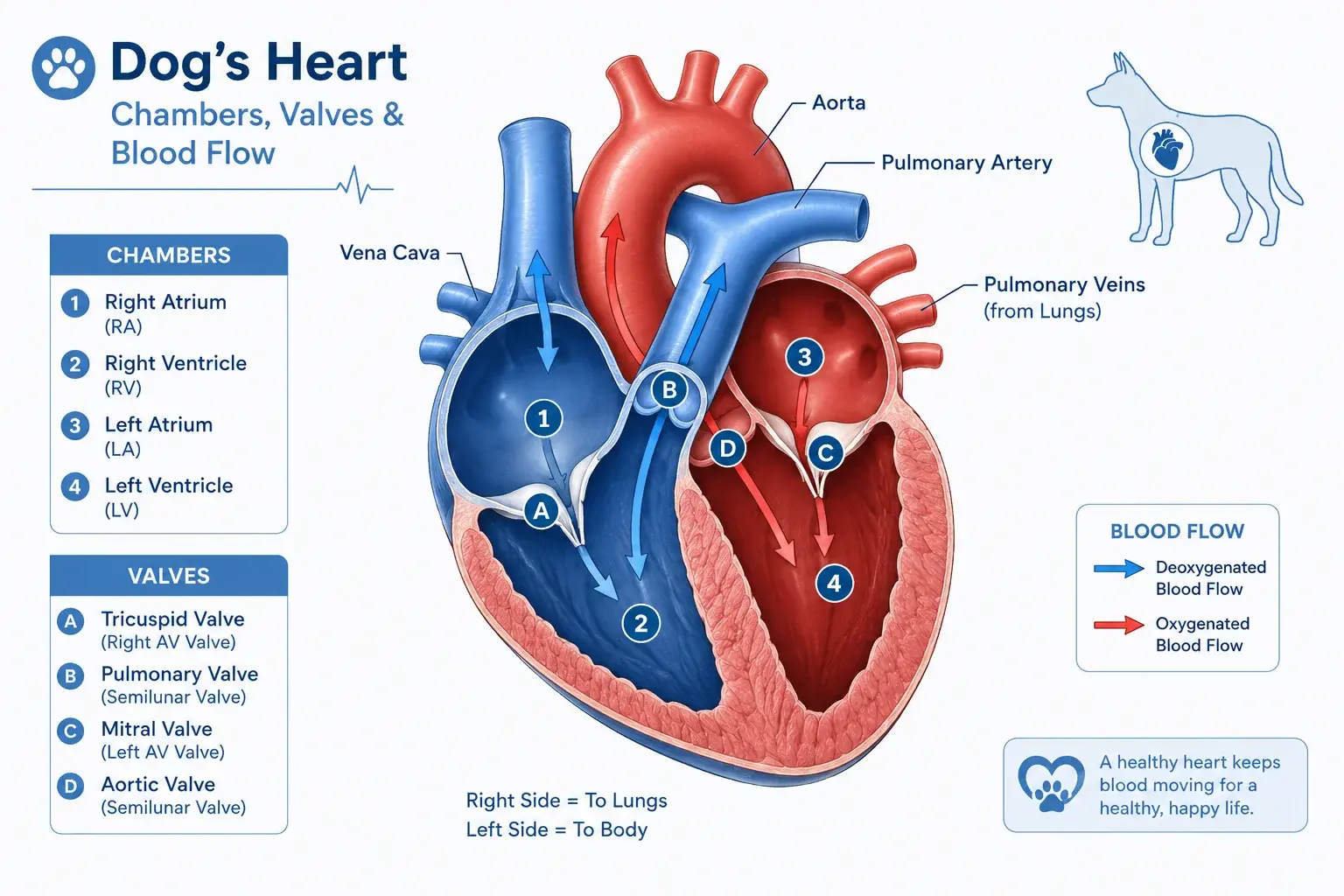
The heart must deliver blood to the whole body, which requires sufficient contractile strength,
[5]
Heart disease is not just one condition; myocardium, heart rhythm, and valve problems can present differently.
Doberman Pinscher: The heart's pumping ability may gradually decline.
Doberman Pinschers require more attention to a disease in which the heart gradually enlarges
[3][4]
A 2026 study analyzing 453 blood samples from 345 Doberman Pinschers
[2]
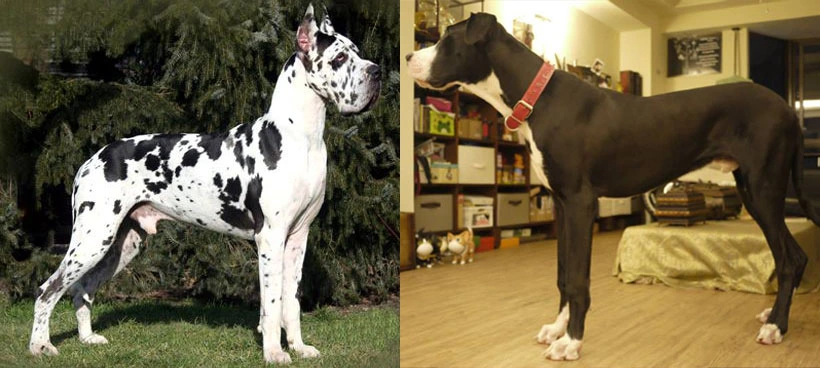
Great Dane: A normal appearance does not mean there is no problem.
Dogs with obvious cardiomyopathy or certain types of arrhythmia
[1]
Boxer: Watch for sudden fainting or weakness.
Boxers require more attention to a type of cardiomyopathy that affects heart rhythm.
[6]
If a dog suddenly faints, collapses, or has transient weakness,
Owners can note the time of occurrence, how long it lasted, and what the dog was doing at the time,
[4]
Small breeds: Heart valves may not close completely.
Heart valves control the direction of blood flow.
[5][6]
Initially, there may only be a heart murmur heard by the veterinarian,
[5]
Why are early heart problems easily overlooked?
Some heart diseases have a period without obvious symptoms.
[4]
Some changes may also be attributed to ageing,
Similarly, coughing or faster breathing does not necessarily indicate heart disease.
[5][7]
Which warning signs require a veterinary visit?
If the following changes recur, persist, or gradually worsen,
[5][7]
Breathing during sleep is consistently faster than usual.
Stopping more often during walks, lagging behind, or reluctance to exercise.
Sudden fainting, collapse, or brief weakness.
Persistent coughing, especially with faster breathing at the same time.
Restlessness at night, or difficulty lying down comfortably.
Abdominal enlargement, decreased appetite, or significant weight change.
How can owners keep records at home?
Start with things that are easy to sustain:
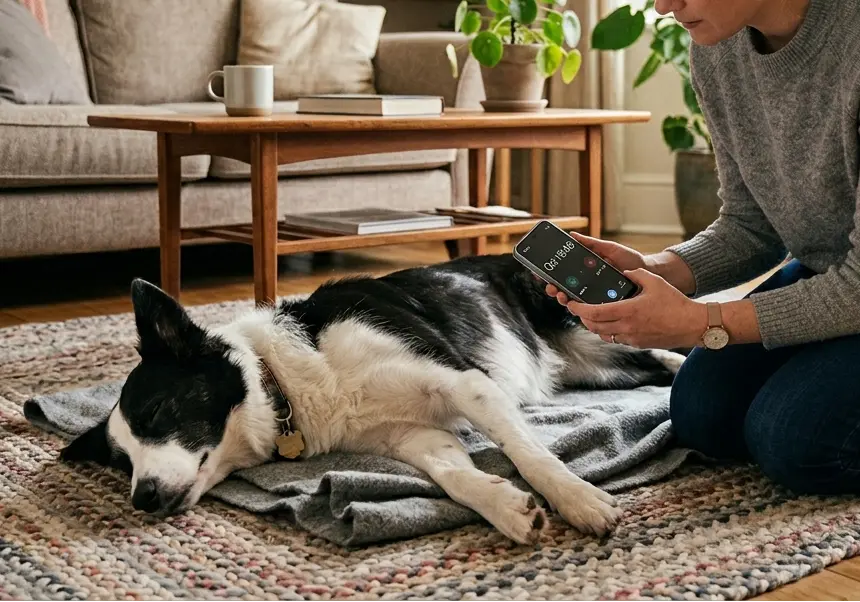
How do you count a dog's breathing while sleeping?
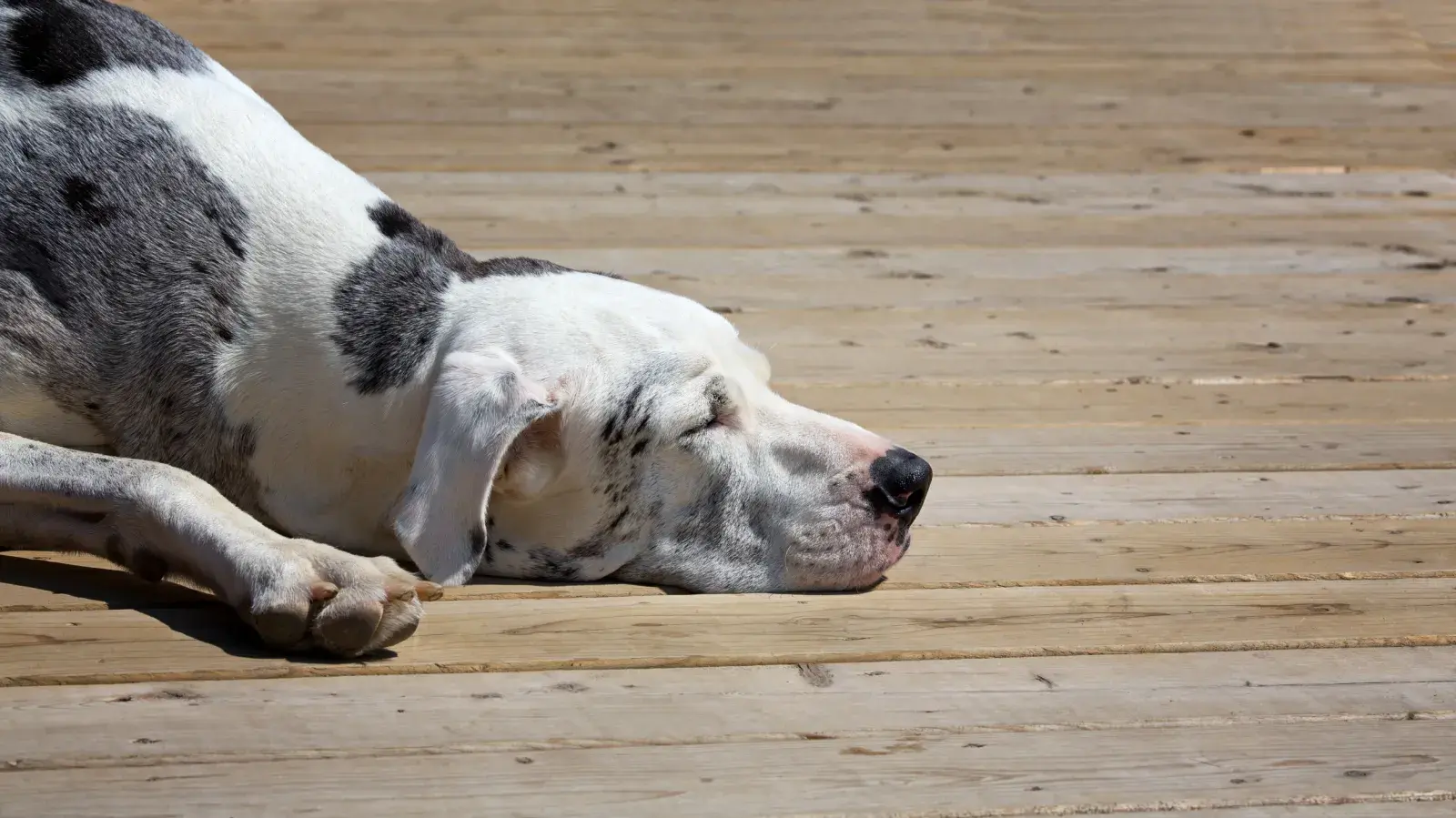
Choose a time when the dog is soundly asleep, not panting,
[7]
Observe the chest or abdomen; one complete rise and fall counts as one breath.
Count for 30 seconds and multiply by 2, or count for a full 60 seconds.
Note the date, time, and breaths per minute.
Add whether there was coughing, reduced activity, or other changes that day.
General home veterinary guidelines indicate that
If it repeatedly or persistently exceeds 30 breaths per minute during true sound sleep, consult the veterinarian.
For dogs already diagnosed with heart disease, follow the threshold set by the attending veterinarian.
[7]
One complete rise and fall of the chest or abdomen counts as one breath.
Compare with the dog's own usual baseline.
Records from normal days serve as a baseline for later comparison.
Do not compare the dog only with other dogs.
Record checklist before a follow-up appointment.
On which day did the change begin?
How long has it been present, and how many times per day?
Is breathing during sleep consistently faster than usual?
Have walking distance, pace, and number of rest stops changed?
Is there coughing, fainting, or sudden weakness?
Has there been any recent change in medication, diet, or hotter weather?
Are there photos, short videos, or historical data available for comparison?
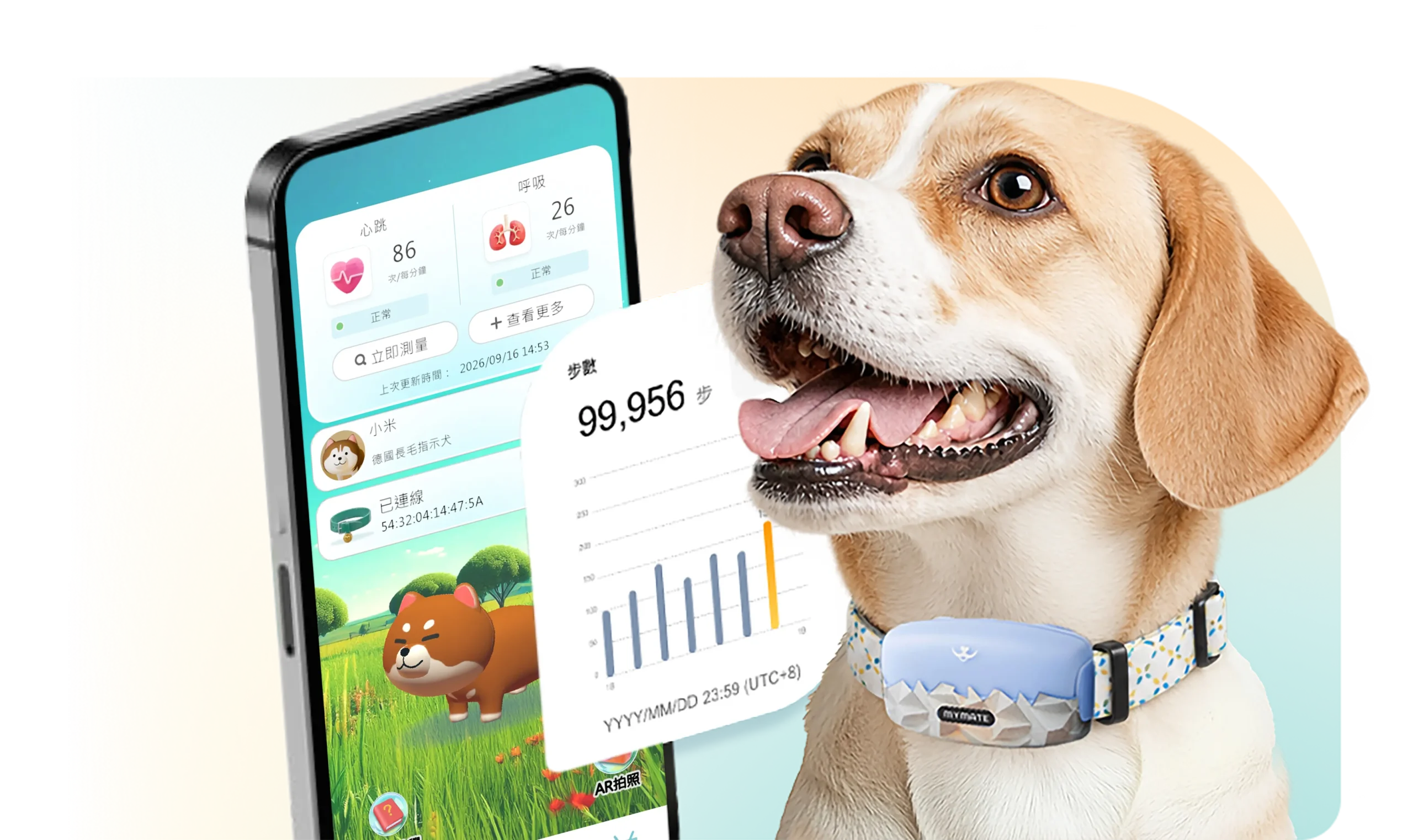
How can smart health monitoring complement this?
The purpose of smart health monitoring is to help preserve daily data,
Functions and usage conditions are subject to the product page and original manufacturer's instructions.
Research data.
El Sharkawy, S., Dukes-McEwan, J., Abdelrahman, H. and Stephenson, H. (2023),
Journal of Veterinary Cardiology, 47, pp. 1–13.
https://doi.org/10.1016/j.jvc.2023.03.003.