
PawsHub HK
Senior Dog Health | Behavioral and Neurological Observations
Seeing an older dog pace in circles repeatedly,
Circling in place is a sign, not a diagnosis. It may appear as part of cognitive behavioral changes, [1]
If circling begins suddenly, [2] Observing when circling started, whether it偏向 one side,
Some senior dogs develop slow, gradually worsening behavioral changes;Circling alone is not sufficient to diagnose CCDS。 [1]
Diagnosing CCDS requires evaluating and ruling out other causes that could explain the symptoms. [1]
Progressive behavioral changes can make cognitive dysfunction a possibility worth considering, [2]
Noting how symptoms began is important. [1]
In contrast, sudden-onset circling, [3]
These symptoms do not mean owners can diagnose the condition at home. Sudden-onset circling
There is more than one cause of sudden vestibular symptoms in senior dogs, [4]
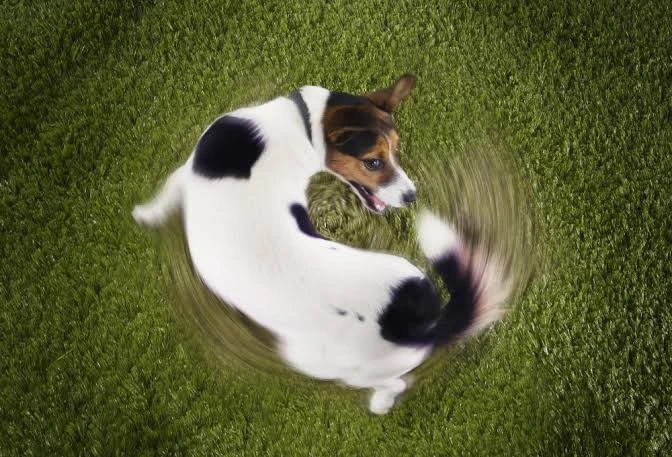
If a dog always circles toward the same side, [1]
The veterinarian may need to consider brain magnetic resonance imaging (MRI) [1]
This does not mean that every dog that circles [2]
It is not recommended to address circling solely by telling the dog off
If the dog has obvious loss of balance, [5]
This is different from restricting activity across the board
New-onset circling, focal neurological abnormalities, [1] [2]
The key point in these situations is not just the number of circling episodes, but the dog's overall condition and whether it can walk, eat, and drink safely. Do not delay seeking veterinary care in order to first perform an online assessment or observe the effects of supplements.
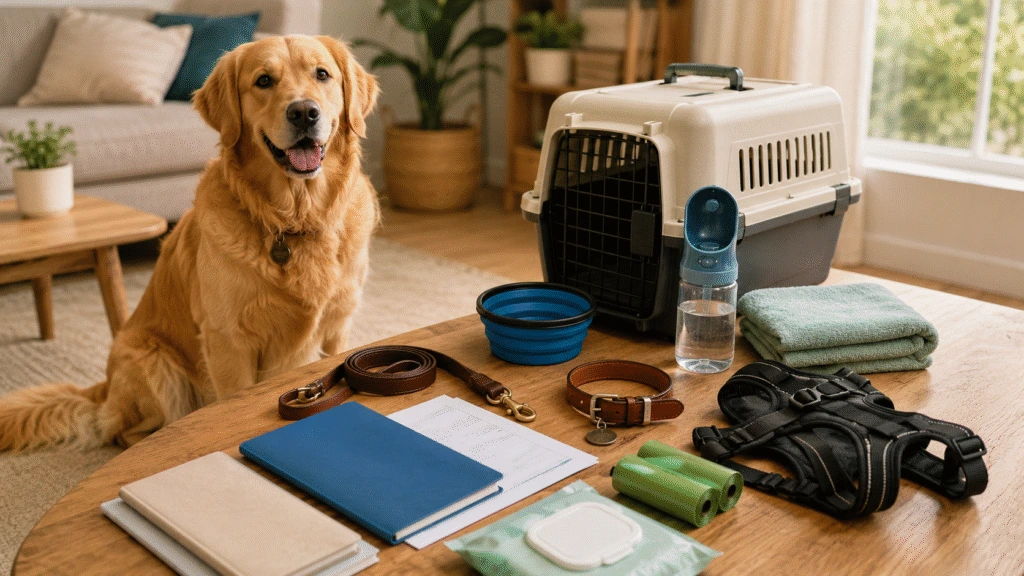
When preparing for the consultation, owners can organize the observations they have already made so that the veterinarian can more easily understand the changes. If the dog shows emergency warning signs, seek veterinary care first; there is no need to complete the record before setting off.
When reading on a mobile phone, you can swipe the table below left and right.
| Record item | How can it be written? |
|---|---|
| When did it begin | Did it appear suddenly, or did it gradually become more pronounced? Can you identify the date or time when you first noticed it? |
| Direction of circling | Is it always toward the same side? Is this different from usual? |
| Concurrent signs | Have you noticed head tilt, involuntary eye movement, loss of balance, falling, or difficulty standing? |
| Other important changes | Has there been any seizure or other abnormality? How are mental responsiveness, walking ability, and eating and drinking? |
| How the symptoms change | Does the circling occur occasionally or repeatedly? Has there been any obvious change recently? |
The purpose of recording is to provide the veterinarian with a clearer description, not to let the owner make a diagnosis themselves. If symptoms begin suddenly, are unilateral, or are accompanied by the above warning signs, do not treat these signs as ordinary aging merely because they may be related to age-related cognitive changes.
Circling in place in senior dogs may be related to slowly progressive cognitive and behavioral changes, but circling itself cannot confirm CCDS. Sudden onset, unilateral or focal abnormalities, and accompanying vestibular or other neurological signs require timely evaluation of other possibilities. [1] [2]
Rather than only asking "how can I stop it from circling," it is more important to understand what this new behavior represents and whether the dog has signs that require prompt attention. Noting the time of onset, direction of circling, and accompanying signs is the first step to helping the veterinarian.

Cognitive health options | Pawshub.HK
Industry-first rare ingredient formula: Indonesian Java Ginger x Gnetum gnemon. Promotes brain nerve cell growth and maintains cognitive health. Antioxidant and anti-inflammatory, delays cellular aging, reduces inflammation. Supported by 60+ published academic papers on ingredient efficacy.


Article Contents | Click to Collapse or Expand What Is Dog Health Monitoring? Can Health Screening Detect Hidden Diseases? ① Appearing Healthy Does Not Rule Out Existing Disease ② [...]

Dog Otitis Externa Quick Guide · PawsHub 🐾 PawsHub @pawshub.hk 🐾 Free Quick Guide My dog, because of me [...]
3 Minutes to Uncover the Truth About Dog Dental Care [Must-Read for Dog Owners] Dog Tartar & At-Home Dental Care Quick Guide 💡 Today, we'll break down the most practical and scientific [...]
Dog Bad Breath & Tartar: Scientific Analysis of the Lactoperoxidase System | Pawshub.HK ⚠️ Pet Oral Health Alert Dog Bad Breath & Tartar [...]

Senior Dog Health | Cognitive Function and Daily Care Content compiled by: Pawshub.HK Article Contents | Click to collapse or expand What Is Dementia in Old Dogs? [...]

Your Dog Has Actually Been Taking Care of You All Along | Pawshub.HK Veterinary Scientific Research Interpretation You think you're taking care of them—but science tells you they've been [...]



[…] […]